Building youth advocates for road safety , supported by the FIA Foundation

A four-country youth engagement programme has given young people skills and knowledge to engage and advocate for local road safety in real-world policy development, implemented by Youth for Road Safety (YOURS) and supported by the FIA Foundation.
The Youth Advocates project combined capacity building, coaching, evidence generation, and stakeholder engagement to help young people develop Youth Action Plans and advocate for locally relevant policy and implementation changes. By connecting lived experience with evidence and direct engagement with authorities, the project created pathways for young people to move from participation to meaningful influence in shaping safer and more sustainable mobility systems.
Across four cities- Bandung, Indonesia; Bogotá, Colombia; Guadalajara, Mexico; and Tunis, Tunisia - young people acted on the mobility challenges they saw daily, presenting evidence to inform concrete proposals and policy development.
In Tunisia, YOURS partnered with the local NGO Les Ambassadeurs de la Sécurité Routière to support four young changemakers through advocacy and public-speaking training, enabling them to engage with the Tunis Road Safety Committee on implementing school zones.
In Colombia, young advocates identified a policy window to research and address the safety gaps facing cyclists, pedestrians and other vulnerable road users sharing space with e-bikes and e-scooters during the development of new light electric vehicles legislation. “Advocacy is not only about making demands from outside the room. It is also about learning how institutions work, preparing clear messages, and contributing constructively when the opportunity opens,” shared one of the youth participants.
Central Nueva, one of Guadalajara’s busiest transfer hubs, is regularly identified as unsafe. Young advocates engaged with commuters to understand and translate their experiences and safety concerns into a phased policy brief for the municipality. Recommendations, including safer crossings, shade, lighting, and a human-centred redesign of the metro system, have now been presented to local decision-makers.
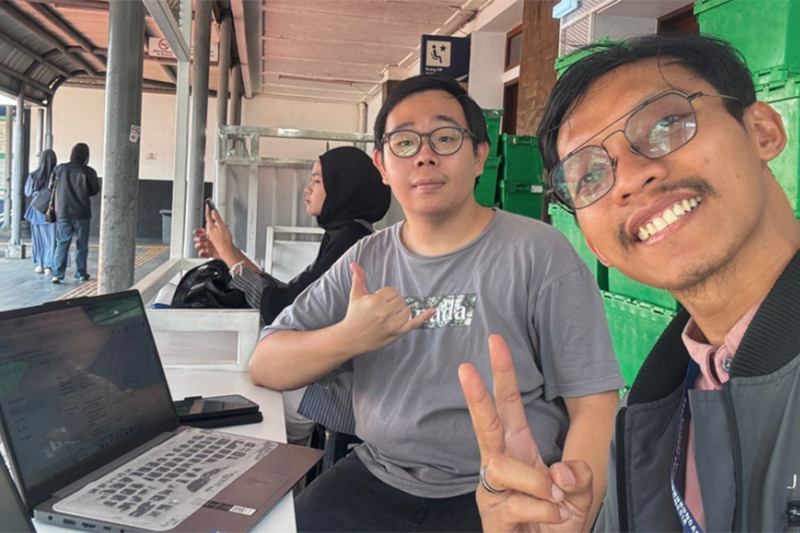
For students in Bandung, access to the shared public transport vehicle (known as ‘angkots’) is becoming less reliable, pushing many toward riskier transport choices. Youth advocates studied the system from the inside, talking with users and drivers to identify gaps in demand and provision and produced a policy brief with recommendations to reframe public transport reform as a road safety, equity, and education priority.
“Advocacy is not only about speaking loudly. It is also about listening carefully, documenting realities, and building evidence to influence change,” Sana' Khasawneh, YOURS Senior Advocacy and Public Affairs Manager and project coach.


